


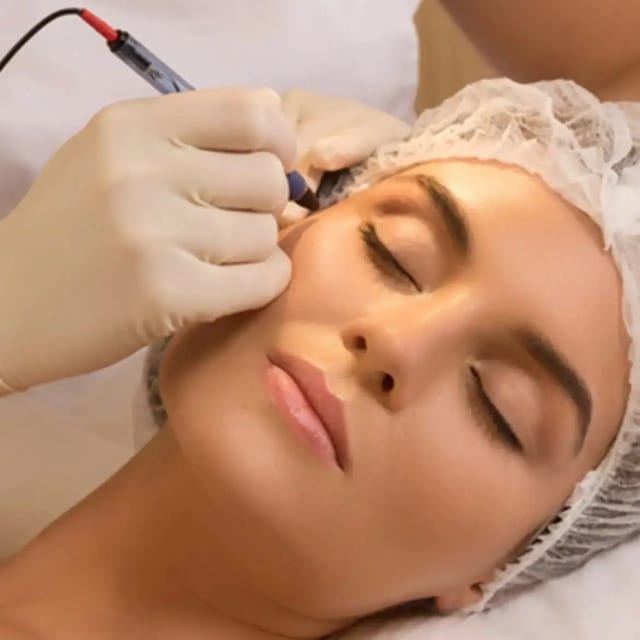

Electrolysis
Permanent Hair Removal
First Appointment Consultation + Treatment
Your first electrolysis appointment includes a consultation to assess your hair and skin type, followed by an initial treatment targeting unwanted hair.
Your first visit includes a consultation and treatment session. We'll assess your hair type, skin sensitivity, and discuss your goals to create a personalised treatment plan.
A small test area will be treated so you can experience the sensation and we can confirm the settings work perfectly for you. You'll leave with clear aftercare instructions and a recommended schedule for follow-up sessions.
- Let hair grow — we need 2-3 days of growth to grasp the hair
- Stop tweezing/waxing — for at least 2 weeks before (shaving is fine)
- Avoid caffeine — on treatment day to reduce sensitivity
- Stay hydrated — well-hydrated skin conducts current better
- Exfoliate gently — 24 hours before to prevent ingrown hairs
- Avoid retinoids — for 3-5 days before facial treatments
First 24-48 hours:
- Don't touch or pick at the treated area
- Avoid makeup on treated facial areas
- Skip swimming, saunas, and hot baths
- No heavy exercise (sweating can irritate)
- Avoid direct sun exposure
Ongoing care:
- Apply aloe vera or recommended soothing gel
- Use SPF 30+ on treated areas exposed to sun
- Keep the area clean and dry
- Don't wax or tweeze between sessions
We offer flexible session lengths to suit different treatment areas:
- First Appointment (35 mins) — Consultation + initial treatment
- 15-minute session — Perfect for upper lip, chin, or small touch-ups
- 30-minute session — Ideal for larger areas or multiple zones
Most clients book regular sessions every 1-2 weeks initially, then less frequently as hair reduces. We'll recommend the best schedule based on your hair growth cycle.
Electrolysis is safe for most people, but may not be suitable if you have:
- A pacemaker or electronic implant
- Active skin infections or open wounds in the treatment area
- Severe keloid scarring tendency
- Uncontrolled diabetes
- Current use of blood thinners (consult your doctor)
If you're pregnant, we recommend waiting until after delivery. Always inform us of any medical conditions or medications during your consultation.
Why Choose Electrolysis
If you’re dealing with ingrown hairs or want a truly permanent solution, electrolysis is the most effective option available.
Why Electrolysis Works
- Permanent hair removal – the follicle is fully destroyed
- Works on all hair colours and skin tones
- Targets each hair precisely for accurate results
- Highly effective for treating and preventing ingrown hairs
- No risk of stimulating additional hair growth
Things to Consider:
- Slower than laser as each hair is treated individually
- Requires multiple sessions to clear all growth cycles
- Best suited for smaller areas or targeted treatment
Unlike laser treatments that only reduce hair growth, electrolysis permanently removes it. That means no ongoing top-ups, no regrowth cycles, and no frustration long-term.
For clients struggling with persistent or painful ingrown hairs, electrolysis offers a reliable, lasting solution.

Electrolysis vs Laser: What's the Difference?
Electrolysis uses a fine probe inserted directly into the hair follicle, delivering a precise electrical current that permanently destroys the root. Once treated, that follicle can never produce hair again.
Laser hair removal uses broad light waves that target pigment in the hair. While effective for temporary reduction, it cannot guarantee permanent removal — and doesn't work on blonde, grey, red, or white hair.
Why Electrolysis is Superior
- Truly permanent — the only FDA-approved method
- Works on ALL hair colours — including blonde, grey, red & white
- Works on ALL skin tones — no risk of burns or pigmentation
- Targets individual follicles — precise and thorough
- No regrowth — once destroyed, hair cannot return
Laser Limitations
If you want hair gone forever, electrolysis is the only guaranteed solution.

Step by Step Electrolysis Process
Electrolysis is a precise, methodical treatment that targets each hair follicle for permanent removal. Here’s what to expect during your electrolysis journey:
First Appointment: Consultation + Treatment
Your first session will include a consultation to assess your skin and hair type, discuss your goals, and create a personalised treatment plan. The technician will then perform the electrolysis treatment on a small test area to ensure comfort and effectiveness.
Treatment Sessions
During each session, the technician will target individual hairs with the electrolysis probe. Multiple sessions are required to target all hairs through their growth cycles for permanent results.
Results vary based on individual factors, but most clients see significant improvement after 6-12 sessions.
Aftercare & Results
Post-treatment care includes keeping the area clean and avoiding sun exposure. Over time, you’ll see a gradual reduction in hair growth until it’s permanently removed.
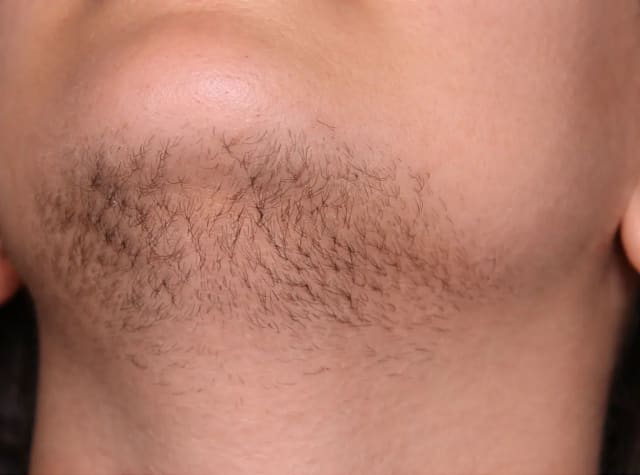
Before & After Electrolysis Hair Removal
See the visible difference electrolysis can make. This permanent hair removal treatment targets individual follicles to deliver smooth, long-lasting results with precision and care.

Similar Treatments
Similar treatments to explore for smooth, radiant skin.

Electrolysis Cherry Angioma Removal
Single Cherry Angioma
Targeted removal of one small cherry angioma (up to 3 mm in size) using advanced electrolysis. Quick, effective, and minimal discomfort.
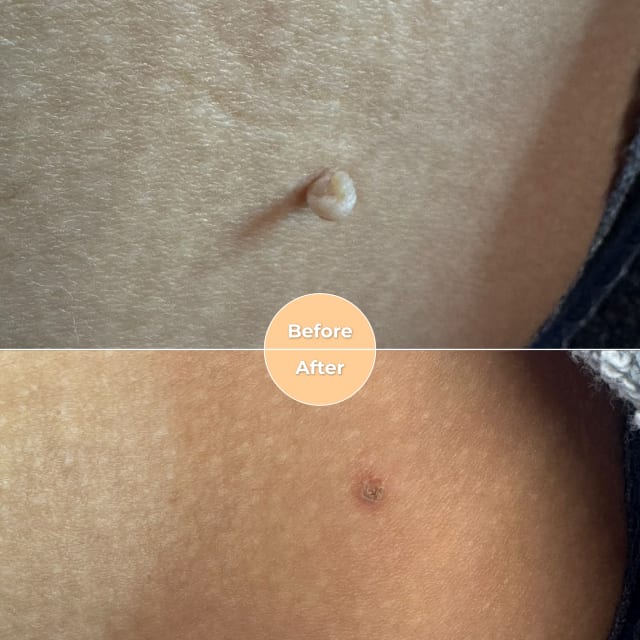
Electrolysis Skin Tag Removal
Small Skin Tag
Ideal for treating one small skin tag in a quick session. Up to 2 mm in diameter (Approximately the size of a pinhead or sesame seed)

Electrolysis Milia Removal
Up to 3 Milia Removals
Milia is removed using short wave diathermy – a form of indirect current. Using a small needle, the current heats up the Milia and the energy created breaks down the fatty tissue, and it disperses into the body. How many sessions are needed? For smaller Milia, one session is all that is needed. However, for the larger Milia a second session may be needed 4 weeks later after it has healed.
Frequently Asked Questions
Yes — electrolysis is the only FDA-approved method for permanent hair removal.
Unlike laser hair removal or IPL, which only reduce hair growth, electrolysis destroys the hair follicle completely, preventing any regrowth.
- ✔ Recognised by the FDA as permanent
- ✔ Works on ALL hair colours and skin types
- ✔ Once a follicle is treated, hair cannot regrow
With a full course of treatments, you can achieve truly permanent, hair-free results.
Electrolysis works by inserting a very fine, sterile probe into the hair follicle (not the skin) and delivering a tiny electrical current.
This current destroys the follicle in one of three ways:
- Galvanic — chemical destruction using direct current
- Thermolysis — heat-based destruction using alternating current
- Blend — combination of both methods for stubborn hairs
Once destroyed, the follicle can no longer produce hair. The treated hair slides out naturally.
Most clients describe the sensation as a quick heat, slight sting, or tiny pinch — similar to a small static shock.
Pain levels vary depending on:
- The treatment area (upper lip tends to be more sensitive)
- Your personal pain tolerance
- Hormonal factors and time of month
Tips to minimise discomfort:
- ✔ Avoid caffeine before your appointment
- ✔ Stay well hydrated
- ✔ Avoid scheduling during your period
Most clients find it very manageable, and we can take breaks whenever needed.
The number of sessions varies depending on several factors, but most clients need 8–12 sessions or more for complete permanent removal.
Why multiple sessions are necessary:
- Hair grows in cycles (anagen, catagen, telogen)
- Only hairs in the active growth phase can be permanently destroyed
- At any time, only 20–40% of hairs are visible
Factors affecting treatment length:
- Size of the treatment area
- Hair density and coarseness
- Previous hair removal methods used
- Hormonal influences (PCOS, menopause, etc.)
Consistency is key — regular appointments every 1–2 weeks give the best results.
Electrolysis and laser serve different purposes:
Electrolysis advantages:
- ✔ Only truly permanent method (FDA-approved)
- ✔ Works on ALL hair colours including blonde, grey, red, and white
- ✔ Works on ALL skin tones including very dark skin
- ✔ Treats individual hairs precisely
- ✔ Can treat hormonal hair growth
When laser may be preferred:
- Large areas with dense, dark hair
- Faster treatment of big areas initially
Many clients use laser first for bulk reduction, then electrolysis for permanent removal of remaining hairs.
Electrolysis can safely treat any area of the face or body where unwanted hair grows.
Popular facial areas:
- Upper lip and chin
- Jawline and neck
- Eyebrows (shaping)
- Sideburns and cheeks
Popular body areas:
- Underarms
- Bikini line and Brazilian
- Stomach, chest, and back
- Fingers and toes
- Nipple area
Electrolysis is particularly popular for facial hair and smaller, sensitive areas.
Yes! Electrolysis is actually the best choice for hormonal hair growth conditions like PCOS, menopause, or thyroid disorders.
Why electrolysis works for hormonal hair:
- Destroys each follicle permanently
- Works regardless of hormonal fluctuations
- Treats new hairs as they appear
Important to know:
- Hormonal conditions may cause new follicles to activate over time
- Maintenance sessions may be needed periodically
- Managing the underlying condition helps treatment success
We can create a treatment plan that works alongside your hormonal management.
Before your appointment:
- Let hair grow 2–3 days (we need to see and grasp it)
- Avoid caffeine and alcohol on treatment day
- Gently exfoliate the area 24 hours before
- Do NOT wax, thread, or tweeze for 2+ weeks before
After your appointment:
- Avoid touching the treated area
- No makeup on treated facial areas for 24 hours
- Avoid sun exposure and tanning for 48 hours
- Skip swimming, saunas, and heavy exercise for 24 hours
- Apply recommended soothing products if needed
Following aftercare ensures the best healing and results.
Electrolysis is very safe when performed by a trained professional. Temporary effects are normal and usually resolve quickly:
- Redness (usually fades within a few hours)
- Slight swelling
- Tiny red dots at treatment points
- Mild tenderness
Rare side effects (usually from improper technique):
- Scabbing or crusting
- Temporary skin discolouration
- Infection (prevented with proper aftercare)
We use sterile, single-use probes and follow strict hygiene protocols for your safety.
When performed correctly by a qualified electrologist, scarring is extremely rare.
How we prevent scarring:
- Using the correct current intensity for your hair type
- Proper probe insertion technique
- Not over-treating the same area
- Following strict hygiene protocols
Your role in prevention:
- Follow all aftercare instructions
- Don't pick at treated areas
- Keep the area clean and moisturised
Choosing an experienced, qualified practitioner is the best way to ensure safe, scar-free results.